

Just another WordPress site
that moment in the first avenger when bucky shoots that guy and steve turns around and salutes him makes me laugh bc, like, i will be the first to admit i know nothing about military strategy, but i feel like you probably shouldn’t so blatantly give away your sniper’s location like that
like, was that moment immediately followed by bucky scrambling to his feet like ‘goddamnit steve HOW MANY TIMES’ and takin off into the woods while hydra goons fired at him,, like thank you, captain america, for that, i was hoping to make this more complicated than necessary
but can we consider that Rhodey does, in fact, outrank Steve Rogers?
now picture rhodey meeting steve and steve snapping a salute
that is all
and Rhodey would be totally serious about it until the second Steve walked out of the room and then he’d totally turn and look at Tony with crazy eyes and Tony would be like “JARVIS TOOK PICTURES FROM EVERY ANGLE YOU’RE WELCOME”
#Tony: Steve this is Colonel… What the fuck are you doing? #I said Colonel as a joke this is my friend Rhodey #Rhodey from MIT #Why the fuck are you acting like #Oh shit #Rhodey tell him to stand on his head #Come on Rhodey he’s your subordinate #make /Captain/ America stand on his head
you know. sometimes i think. in the face of tony’s obvious trauma and ptsd. in the face of the more obvious pain that bucky has suffered. we forget that steve’s motivation in the film isn’t just his tendency to hold stubbornly fast to his ideals, to do what he feels is right and damn the rest.
steve’s hurting too.
like. guys. we are so ready to give weight to tony’s emotional boiling over point at the end of the film, to say “this is why he tried to kill bucky, and it’s not right but it’s understandable.” we are so ready to acknowledge the fact that bucky was a victim and motivated to run by his fear of further persecution and hurt from nefarious forces. what about steve, though? when do we acknowledge that steve’s not just acting with righteous arrogance, but a deep anger, isolation, fear, loneliness, sadness, and hope?
steve died. like, his last memory before waking up seventy years in the future is a few days after watching his best friend fall from a train and he was unable to stop it he willingly flies a plane into the fucking Arctic, ostensibly to his death.
guys. guys. tony was fucked up for years because of untreated ptsd after falling from space and thinking he was dead. why is it so hard to remember that steve probably is fucked up, too?
this dude, he wakes up seventy years in the future and he has to make his way without really anyone or anything familiar, and the only person who is familiar is suffering from memory loss, and he’s now operating under the thumb of shadowy organization that he’s not 100 percent does good things and that continuously lies to him. there’s no war to fight, but that’s all this body is good for. it’s all he knows.
he doesn’t know what makes him happy. guys.
and so he goes through another trauma when he discovers this villain who is trying to kill him is in fact the dead best friend who—surprise!—was actually captured after falling and losing an arm and his brains were scrambled to turn him into a murder assassin. we know for a fact steve feels tremendous guilt over this. but imagine beyond guilt, the sorrow, the nightmarish possibilities, that are turning over in steve’s head. the idea of what his friend suffered. remember when rhodey fell from the sky and tony blasted sam in the chest? imagine the anger in steve’s heart at the idea of what bucky’s suffered and the unwillingness to let that go unchecked and unsaved.
oh, plus. that shadowy organization he’s been fighting for? the people he’s been taking orders from? the top dog in the neat little hierarchy that’s arranged his world? yeah. hydra. everything steve has known turns upside down. he can’t trust anything. imagine the paranoia. the suspicion. imagine the fear that must take seed at that betrayal.
and then! of course, then he begins fighting these battles with the avengers where the collateral damage is on such a bigger scale than it was at war. where there are aliens. aliens, you guys. and he’s tasked with leading this motley crew of superheroes in a world he’s still getting used to and people die, lots of people die, and we know that even if it doesnt visibly affect him like it affects tony (who always seems shocked when he’s confronted with loss, because it’s presented to him on a personal, individual level) it does affect him. that steve feels the guilt of lives lost. imagine that burden. imagine the weight of the shield, the mask, the responsibility. imagine the loneliness. the fear.
so then. then. in the space of a few days. steve deals with more guilt from the deaths in lagos. he shoulders that burden. then he deals with the moral quandary of signing the accords. he wrestles with that decision. peggy dies. he grieves, oh goodness does he grieve. vienna fuckin blows up and that elusive best friend is now the suspect. so steve is grieving, he is confused and conflicted, and now he feels doubly guilty—that’s the person he has been looking for, should he have already caught him? did he do it? he couldn’t have. does he bring him in? does he shoulder this responsibility too? what will they make him do when he catches up to bucky? what should he do? steve might act like he always knows what’s right, but a decision like this isn’t easy. it messes with a person. and when you’re dealing with all that mess in your head, sometimes you don’t think. sometimes…you act.
like when bucky is triggered, when steve stops a helicopter with his bare fucking hands, you can feel the desperation. that’s not ordinary heroics. that’s not steve just trying to stop bucky from escaping and possibly hurting others. it’s steve fighting for bucky. for this piece of his past. for the possibility of an end to loneliness. for the possibility of redemption for letting him fall.
and when they go on the run, when they know they have to stop the supersoldiers, when they clash with tony’s team, can you imagine steve’s sheer frustration that no one gets what is at stake? that no one is willing to listen? and yes, he didn’t even try—but why is that, you think? is it possibly because steve is used to institutions and those in power ignoring what he thinks is right and causing disaster anyway?
when steve says, “pal, so are we.” when steve acknowledges to natasha that he’s 90 not dead, when he openly references the fact that he and bucky are 100, can you imagine knowing that? adjusting to that? being 20-something in body and memory but 100 in actuality? living in a body that people perceive as a weapon so strongly that you’ve become a weapon when you are still longing to rediscover the man you were? steve’s not just cap. steve’s steve, and he doesn’t know what makes him happy you guys. he’s a guy, he’s a human, and he’s dealing with A Lot.
i get that he makes some bad calls in the movie. so does tony. my beef is that while tony’s decisions are often supported by his very obvious trauma and emotional burden, we rarely seem to give enough weight to the very real and very similar turmoil that is going on inside of steve.
when tony is fighting him in siberia. when steve says, “he’s my friend,” so simply, so sadly, without any righteousness, just clean tired truth, that’s steve as steve. when he hid the truth from tony, that’s steve as steve. when he drops the shield, that’s steve reclaiming himself as steve. we expect cap all the time, because often, steve is cap. it’s easy to see him as the moral police that way, if reductionist.
but we forget to see steve as steve. that he is a kid, in some ways. and a grieving, lost, lonely kid with a lot of anger, sadness, confusion, and power boiling under the placid-seeming surface.




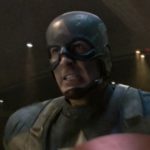
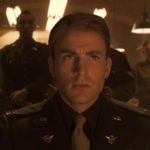






Captain America not only navigates masculinity, but he completely subverts and ultimately rejects our contemporary conceptions of what it means to be a man, thereby creating a new kind of masculinity that demands self-inquiry, emotional empathy, and innate goodness. It’s not enough to just say Cap is an example of non-toxic masculinity, because what Cap does is redefine the binary of maleness. He’s not just an emblem for what not to be; he’s a roadmap of masculine possibility.
